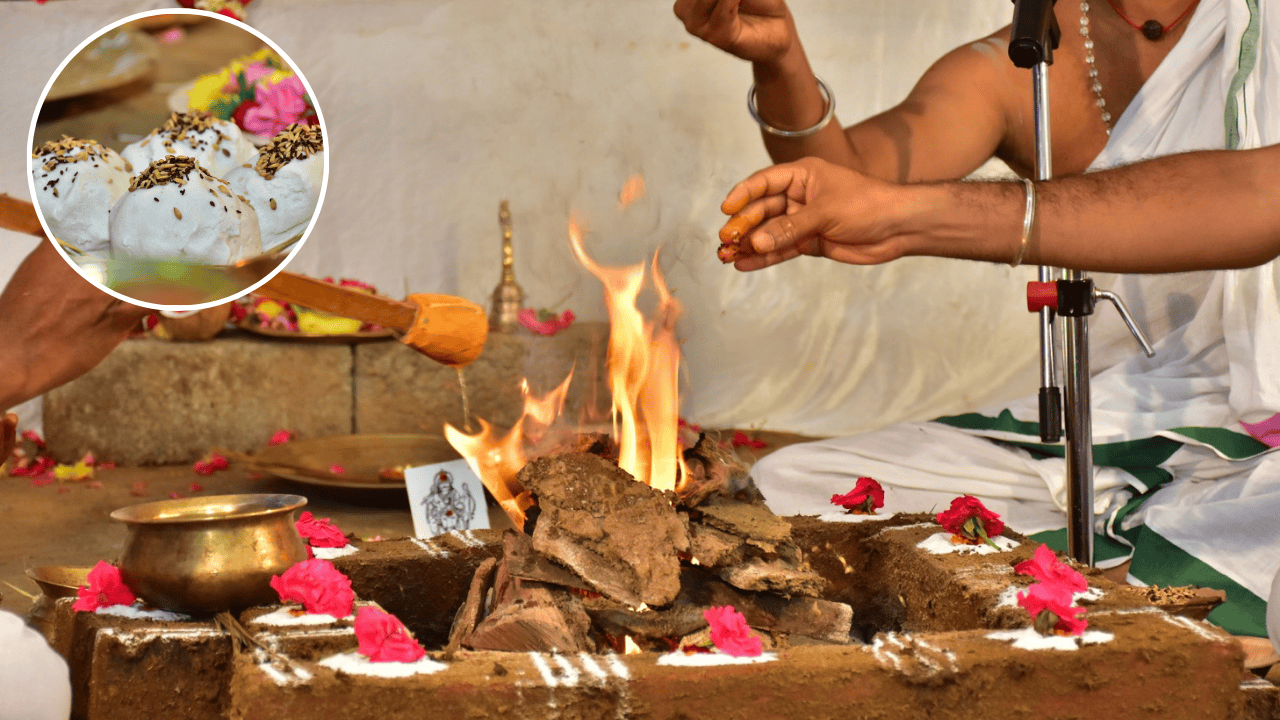
Moksha Narayana Bali

A sacred ritual performed to grant peace, liberation, and blessings to departed souls, ensuring ancestral harmony.

Pitru, Matru & Stree Sapa

Moksha Narayana Bali, Tripindhi Shraddha & Thila Homam

Moksha Narayana Bali, Tripindi Shraddha, and Thila Homam are highly significant Vedic rituals performed for departed souls and ancestors. Rooted in ancient traditions, these poojas are known to remove Pitru Dosha, bring peace to ancestral souls, and bless families with harmony, prosperity, and spiritual upliftment.

At Gokarna Pooja Kart, our experienced pandits ensure these sacred ceremonies are performed with devotion, precision, and authenticity, following the prescribed Vedic methods.

Moksha Narayana Bali

Moksha Narayana Bali is one of the most sacred Vedic rituals performed for the peace and liberation of departed souls. In many cases, souls remain restless due to unnatural or untimely deaths, karmic bondages, or unfulfilled desires, preventing them from attaining moksha (liberation). At Gokarna Pooja Kart, our experienced pandits conduct this ritual with devotion and precision, helping such souls find peace and guiding them toward liberation. 

By performing Moksha Narayana Bali through Gokarna Pooja Kart, families not only ensure relief for their ancestors but also receive blessings, harmony, and protection from obstacles caused by ancestral dissatisfaction.

Effects

This sacred ritual helps release wandering or unsatisfied ancestral souls bound by karmic ties, granting them moksha (liberation) while restoring peace, blessings, and harmony within the family lineage, ensuring spiritual upliftment and protection.

Benefits

When to Perform?

Moksha Narayana Bali, Tripindhi Shraddha, and Thila Homam are most effective when performed on spiritually significant days. The most recommended times include Amavasya (New Moon days), when ancestral energies are most receptive, and Pitru Paksha (Mahalaya fortnight), a sacred period dedicated to honoring forefathers. Additionally, these rituals can be performed on annual Shraddha tithis or other astrologically suggested dates, depending on the family’s horoscope and spiritual needs. Consulting experienced pandits at Gokarna Pooja Kart ensures the rituals are conducted at the most auspicious time for maximum blessings and effectiveness.

Tripindhi Shraddha

Tripindhi Shraddha is a sacred Vedic ritual performed for three generations of ancestors, ensuring peace, satisfaction, and blessings. It removes Pitru Dosha, restores spiritual harmony, and is best performed during Pitru Paksha, Amavasya, or astrologically chosen dates.

Effects

Tripindhi Shraddha helps satisfy and bring peace to three generations of ancestors, removes Pitru Dosha caused by neglected rituals, restores spiritual harmony in the family lineage, and ensures blessings, prosperity, and protection from misfortunes.

Benefits

When to Perform?

Tripindhi Shraddha is ideally performed during Pitru Paksha (Mahalaya fortnight), a sacred period dedicated to honoring ancestors. It can also be conducted on Amavasya (New Moon days) or other astrologically recommended dates based on the family’s horoscope. Performing the ritual at these auspicious times ensures maximum spiritual benefits, peace for ancestors, and blessings for the family lineage.

Thila Homam

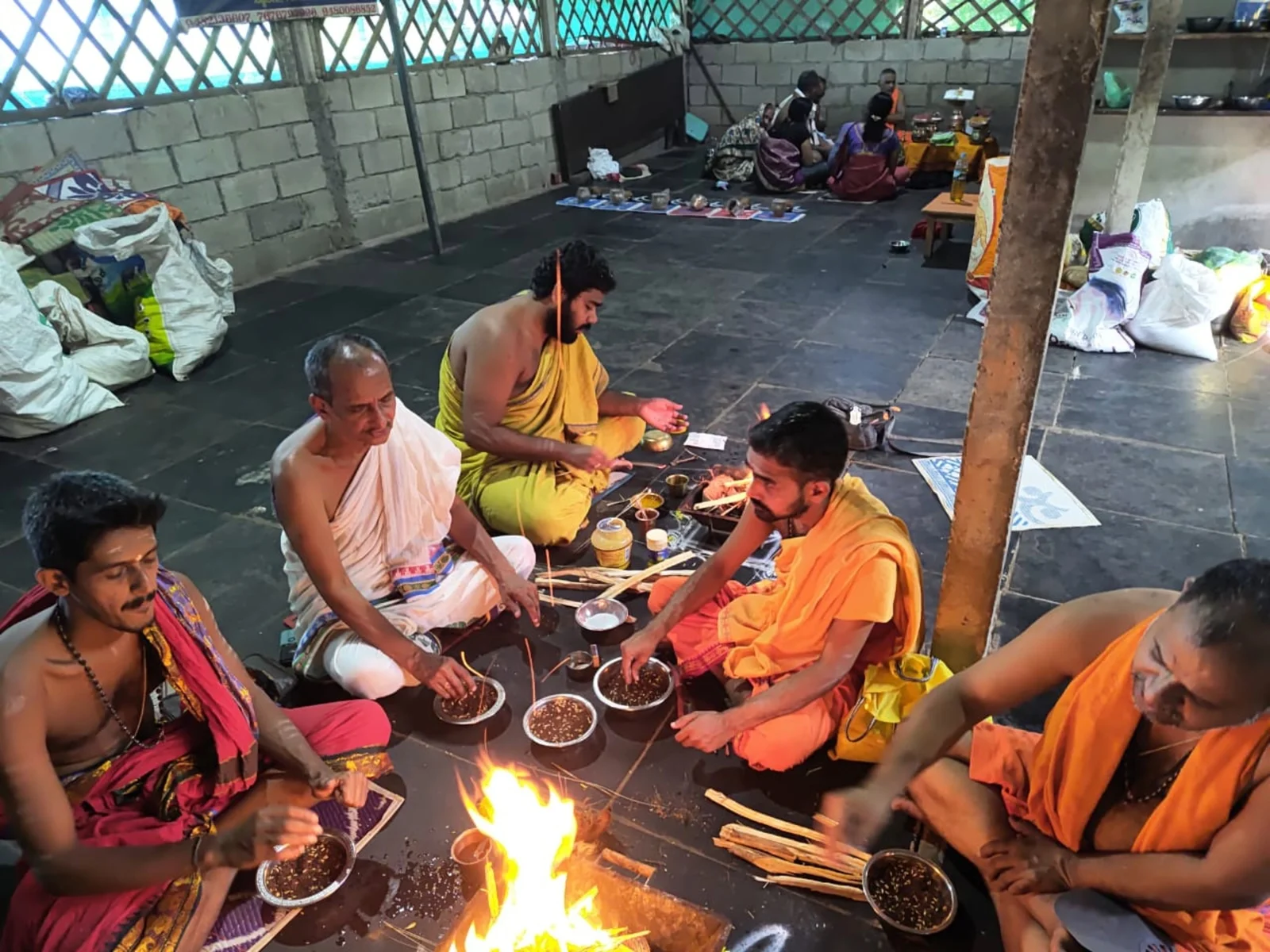
Thila Homam is a powerful Vedic fire ritual performed with sesame seed offerings to honor and appease ancestors, remove Pitru Dosha, purify karmic debts, and bring peace, prosperity, protection, and lasting divine blessings to the entire family.

Effects

Thila Homam purifies ancestral karma, grants peace to departed souls, removes Pitru Dosha and karmic blockages, protects the family from negative energies, and brings harmony, prosperity, spiritual growth, and lasting divine blessings to all members.

Benefits

When to Perform?

Thila Homam is best performed on Amavasya (New Moon days), during Pitru Paksha (Mahalaya fortnight), or on special Shraddha tithis dedicated to ancestors. It can also be conducted on astrologically recommended dates, based on the family’s horoscope, to ensure maximum spiritual benefits and peace for departed souls.

Why Choose Gokarna Pooja Kart?

At Gokarna Pooja Kart, we ensure authentic Vedic rituals led by experienced pandits and chief priests. From arranging materials to temple coordination, we provide seamless pooja services so you can focus solely on your spiritual journey.

Experienced Pundits & Vedic Rituals

Skilled pandits conduct traditional Vedic rituals with precision, devotion, and spiritual guidance for everyone.

Customized Poojas for Every Occasion

Tailored poojas for every life occasion, performed with devotion, authenticity, and precise Vedic rituals.
Frequently Asked Questions

What are the Causes & Effects of Pitru Dosha?

Causes:

Pitru Dosha is primarily formed in an individual’s horoscope when there is a neglect of ancestral rituals or disrespect towards forefathers. It can also manifest due to malefic planetary positions in the natal chart, which can exacerbate family conflicts, health issues, and failures.

The essence of Pitru Dosha lies in the belief that the unresolved issues or negative actions of ancestors can affect their descendants, creating a cycle of karmic repercussions.

Effects:

The effects of Pitru Dosha can be far-reaching, impacting many aspects of life. Families may face frequent conflicts, misunderstandings, and relationship problems, while individuals often struggle with chronic health issues or recurring illnesses. Career instability, frequent job changes, or lack of growth are also common. In some cases, families experience unnatural or sudden deaths, creating cycles of grief and trauma. Emotional struggles such as anxiety, depression, and a sense of helplessness may arise, along with repeated failures or setbacks that prevent the achievement of goals. Overall, Pitru Dosha can disturb health, wealth, career, relationships, and peace of mind, making corrective rituals essential for relief and harmony.

Not all individuals inherit Pitru Dosha. The presence of Pitru Dosha in a person’s life is specifically linked to the karmic debts of their ancestors, which are reflected in their astrological chart. Here are some key points to consider:

Astrological Indicators:

Pitru Dosha is identified through specific planetary positions in an individual’s horoscope, particularly involving planets like Rahu and Saturn in the 9th house. If these indicators are present, it suggests that the individual may be affected by ancestral karma.

Karmic Debt:

The concept of Pitru Dosha revolves around the idea that individuals may inherit not only the qualities of their ancestors but also their unresolved karmas. This means that only those whose ancestors have left behind negative karmic imprints may experience the effects of Pitru Dosha.

Not Universal:

Since not every family or lineage has unresolved issues or negative karma, it follows that not every individual will experience Pitru Dosha. The presence of this dosha is contingent upon the specific circumstances and actions of one’s ancestors.

Personal Responsibility:

Even if an individual does not inherit Pitru Dosha, they may still choose to perform ancestral rituals and good deeds as a way to honor their lineage and promote positive karma. This proactive approach can help in fostering a harmonious family environment and mitigating any potential future issues.

In summary, while Pitru Dosha can significantly impact those who inherit it, it is not a universal condition affecting everyone. Its presence is determined by the ancestral karma reflected in an individual’s astrological chart.

Tripindi Shraddha is a significant Hindu ritual performed to honor and appease the souls of departed ancestors, particularly when offerings have not been made for three consecutive years. This ceremony is believed to help ensure that the souls of ancestors attain peace and liberation (moksha) from worldly desires.
The primary aim of Tripindi Shraddha is to provide solace to the souls of ancestors from three generations. It is performed to free these souls from any lingering attachments or desires that may prevent them from resting in peace. This ritual is especially important for families who may have neglected to perform regular shraddha ceremonies for their ancestors, as it is believed that such neglect can lead to unrest among the departed souls.

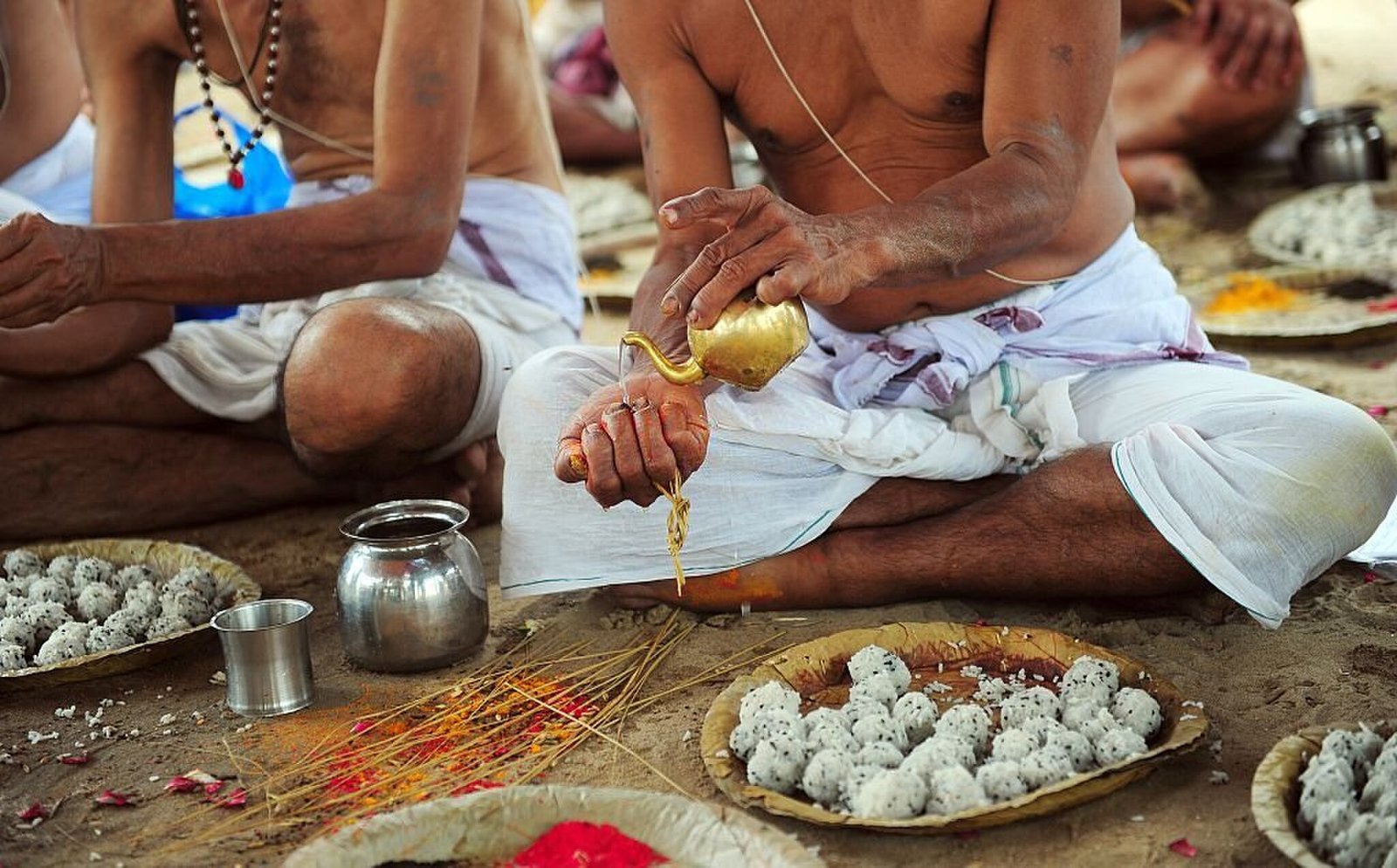
During the Tripindi Shraddha, offerings of food (pindas) made from barley, rice, and sesame seed flour are prepared and presented to the ancestors. The ritual typically involves the chanting of mantras dedicated to deities like Brahma, Vishnu, and Shiva, and is often conducted by a priest (purohit) at sacred locations, such as temples or pilgrimage sites like Trimbakeshwar or Gokarna.

The ceremony is performed with the belief that it helps in calming the souls of the ancestors, ensuring their blessings for the living family members, and promoting peace and prosperity within the family.

Thila Homam is a significant Vedic ritual in Hinduism, primarily aimed at alleviating the adverse effects of Pitru Dosha, which is the negative karma inherited from ancestors who have not been properly appeased. The term “Thila” refers to sesame seeds, which are a central component of this ritual, while “Homam” denotes a fire ceremony or offering.

The primary purpose of Thila Homam is to provide relief to the souls of deceased ancestors, helping them attain moksha (liberation) from the cycle of birth and death. It is believed that performing this ritual can cleanse the sins of ancestors and ensure their peaceful transition to the afterlife. This is particularly important for families experiencing hardships attributed to unresolved ancestral issues.

Do's

Don'ts:

Do's

Don'ts:

The primary purpose of Thila Homam is to provide relief to the souls of deceased ancestors, helping them attain moksha (liberation) from the cycle of birth and death. It is believed that performing this ritual can cleanse the sins of ancestors and ensure their peaceful transition to the afterlife. This is particularly important for families experiencing hardships attributed to unresolved ancestral issues.

Seek Divine Blessings Through Pooja